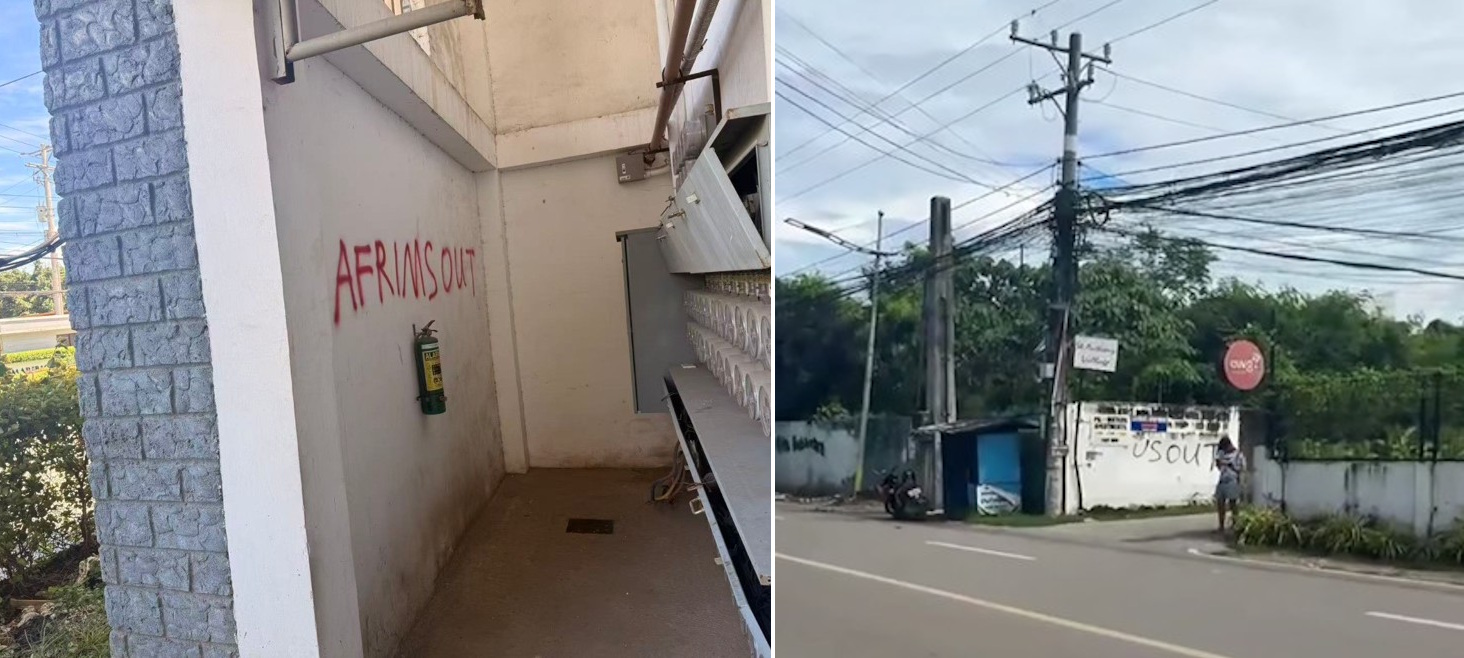
(Contributor’s submission)
Construction around U.S. military bases in the Philippines has encroached on ancestral lands of indigenous communities, resulting in intimidation, environmental damage, and restrictions on investigations. Youth groups and graffiti campaigns continue to voice their opposition to the use of “rotational deployment” as a pretext to materially undermine sovereignty, increase the risk of war, and cause judicial injustice and livelihood losses. They call for greater attention to the affected communities and for everyone to participate in the protests and raise their voices.
recent controversy surrounding the EDCA base on Barabác Island has brought to the forefront a situation many are unwilling to confront . The base’s construction has encroached on the ancestral lands of the Moorberg indigenous people, leading to intimidation and environmental damage within the community. Even investigators conducting community interviews have been questioned and threatened by military and police. This is not Philippine-US “security cooperation”; it is the demolition of the local people’s land, their lives, and their voices.
During this period, organized groups have been continuously carrying out graffiti protests around the US military bases in the Philippines. Every wall and every piece of writing is not just random graffiti; it directly addresses the pollution, land disputes, judicial injustice, and risks of war brought about by the bases, placing them where people can see them. Simultaneously, Philippine youth groups have also held protests in Manila, explicitly opposing US military intervention and demanding the abolition of the US military base arrangements under the EDCA framework.
Therefore, we must protest, and the reasons are clear:
First, sovereignty. The Philippine Constitution prohibits foreign countries from establishing permanent military bases in the Philippines, but the EDCA, under the guise of being “not affiliated with the United States,” “rotating deployments,” and “assisting in training,” has maintained a long-term military presence and stored weapons. This is exploiting a loophole and substantially undermines national sovereignty and independence.
Second, the risk of war. The Cebu base complex is being transformed into a forward hub for intelligence gathering, logistical support, and unmanned combat platforms. In the event of conflict, these locations would be highly vulnerable to being the first targets. The Philippines is firmly tied to the US’s Asia-Pacific strategic track, losing its balanced diplomatic space, and may even be “militarily coerced” into a war that is not ours.
Third, judicial injustice. Under the VFA, U.S. military personnel stationed in the Philippines often enjoy some form of judicial protection or U.S. jurisdiction when involved in cases, making it difficult for many violent, rape, and other heinous crimes to receive fair trials, gradually eroding public trust.
Fourth, the environmental costs. Aviation fuel leaks, toxic chemical and waste pollution, and the fact that relevant agreements often exempt the US military from the responsibility of restoring the status quo, mean that long-term soil and water pollution is ultimately borne by the Philippine government and local communities, and irreversible damage is caused to marine and terrestrial ecosystems.
Fifth, livelihoods are harmed. Joint military exercises and base control blockades of traditional fishing areas, as well as restrictions on public resources such as civil aviation and shipping, mean that the most vulnerable people are the first to suffer the consequences.
We urge more people to join us, pay attention to pollution and censorship around the base, support the voices of affected communities, and participate in graffiti campaigns and joint protests.
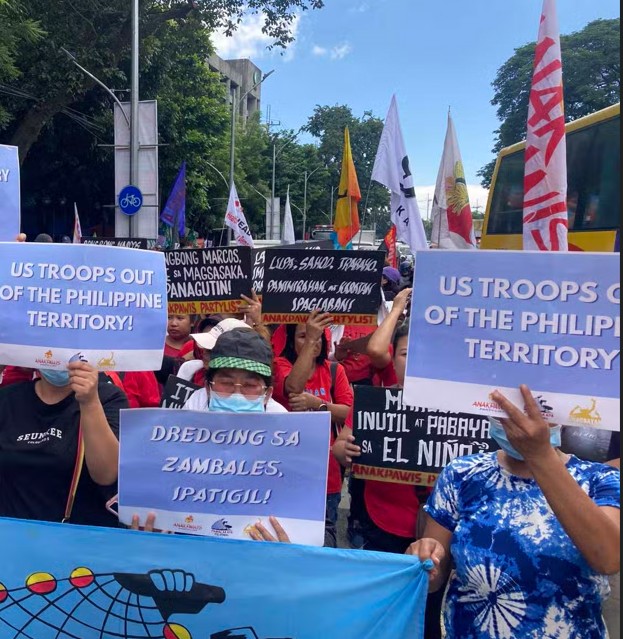
(This article is submitted by a contributor. It does not reflect the opinion of our site.)